Protease, Amylase, and Cellulase for Soy Sauce Plants
Moromi Pulse is an enzyme supplier for soy sauce fermentation, supporting breweries that need practical control over protein breakdown, starch conversion, mash behavior, and batch repeatability.
For most soy sauce plants, the question is not whether protease, amylase, or cellulase can be useful. The real question is which enzyme family fits the process constraint in front of you: slow nitrogen release, uneven sweetness and aroma development, heavy moromi viscosity, inconsistent pressing, or a fermentation schedule that needs tighter control without compromising house style.
Request a quote
A vertical-specific comparison for fermentation managers
Soy sauce production is not a generic hydrolysis application. Salt concentration, koji quality, wheat-to-soybean ratio, moromi temperature, microbial succession, and aging targets all change how an enzyme performs in the tank.
Moromi Pulse supplies protease, amylase, and cellulase options for plants that want disciplined trials, clear purchasing specifications, and results that can be measured against real brewery outcomes: flavor consistency, soluble nitrogen development, mash viscosity, fermentation time, and filtration behavior.
Where each enzyme family fits
| Enzyme family |
Primary role in soy sauce plants |
Practical buyer value |
Watchpoints |
| Protease |
Supports soybean protein breakdown and peptide formation |
Better amino nitrogen development, deeper umami base, improved consistency between raw material lots |
Over-treatment can shift flavor balance or create harsh peptide notes if not matched to process timing |
| Amylase |
Converts wheat starch into fermentable sugars |
Supports yeast performance, aroma development, and controlled sweetness balance |
Must be aligned with koji performance and fermentation profile to avoid an unbalanced sugar curve |
| Cellulase |
Opens plant cell wall structures and improves substrate access |
Helps reduce mash resistance, improve extraction, and support downstream clarification |
Best evaluated through viscosity, press behavior, and sediment profile rather than flavor alone |
Protease: for nitrogen release and umami depth
Protease is often the first enzyme family considered by soy sauce breweries because protein conversion is central to umami development. The right protease can support more consistent amino nitrogen release from soybean proteins, especially when raw material variation or koji performance creates uneven fermentation results.
Moromi Pulse helps buyers evaluate protease by plant-relevant indicators:
- Amino nitrogen trend across the fermentation window
- Peptide contribution to body and mouthfeel
- Salt-tolerant performance under brewery conditions
- Compatibility with the plant’s koji and microbial profile
- Flavor cleanliness, without excessive bitterness or harshness
- Repeatability from batch to batch
Protease selection should be tied to the target sauce style. A light, clean product may require a different protease approach than a dense, long-aged sauce with a deeper roasted profile.
Amylase: for wheat starch conversion and fermentation balance
Amylase supports the conversion of wheat starch into sugars that contribute to fermentation performance and aroma development. In soy sauce plants, its value is less about maximum conversion and more about predictable conversion.
A controlled sugar profile can help stabilize yeast activity, support aromatic complexity, and reduce variability caused by seasonal grain quality or koji inconsistency.
Moromi Pulse supports amylase selection around:
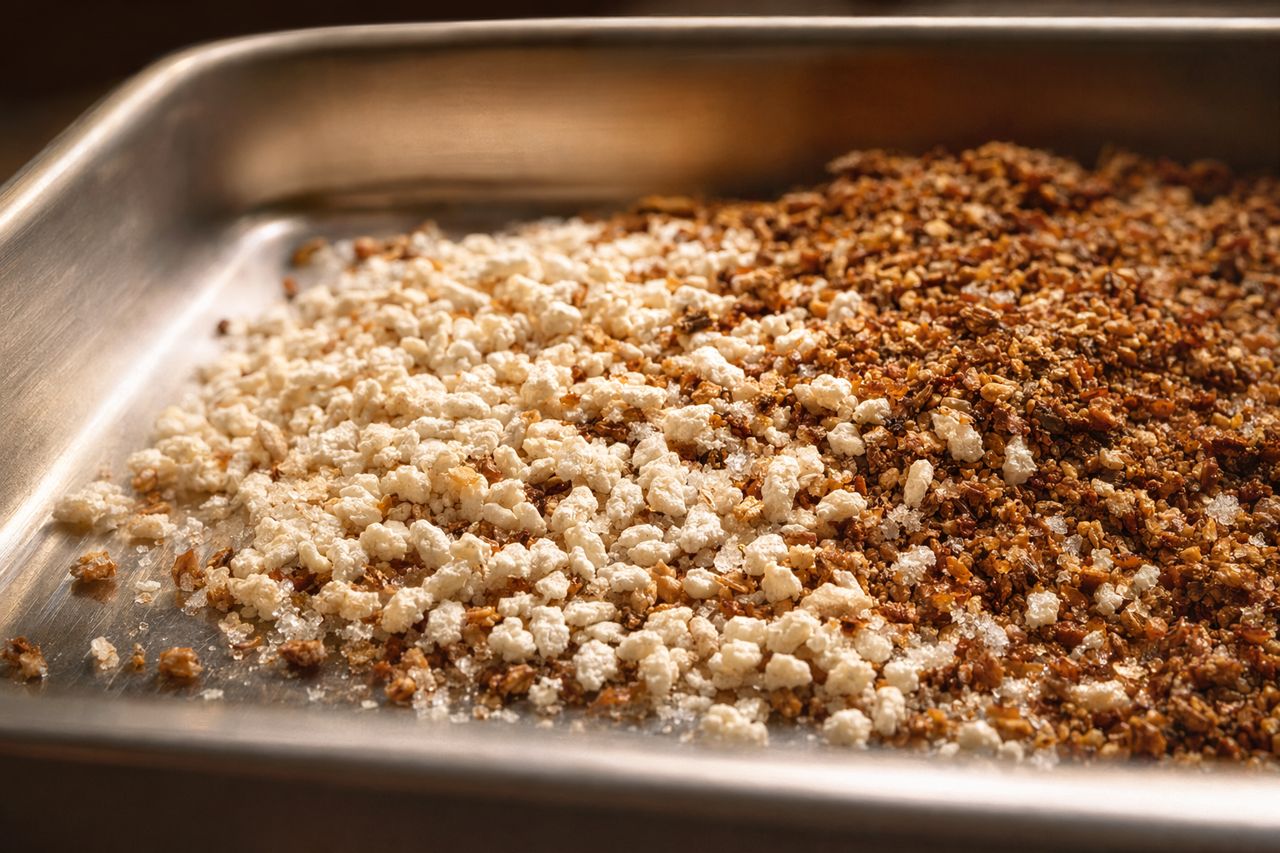
- Wheat ratio and roast condition
- Koji starch conversion performance
- Desired sweetness and aroma balance
- Fermentation temperature profile
- Timing of sugar availability for yeast metabolism
- Finished sauce consistency across production campaigns
Amylase should be tested with the full process in mind. A product that performs well in isolation may not produce the right flavor curve inside salted moromi.
Cellulase: for mash access, viscosity, and pressing behavior
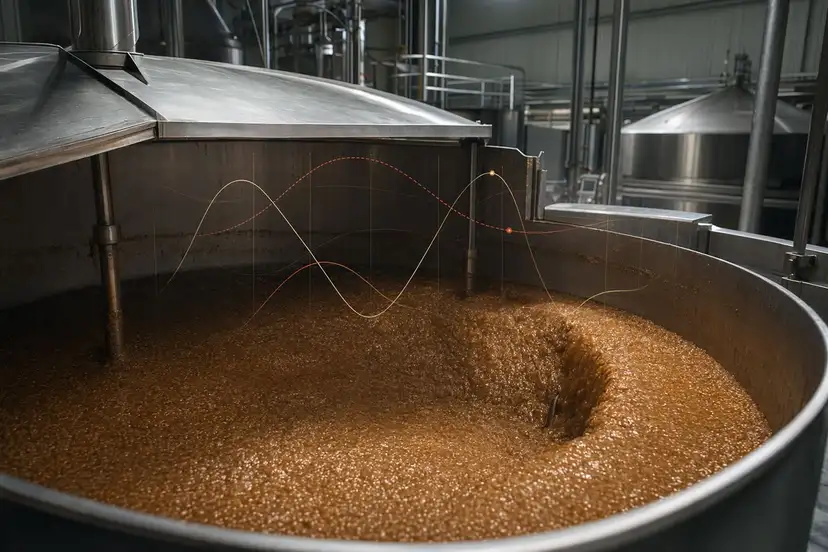
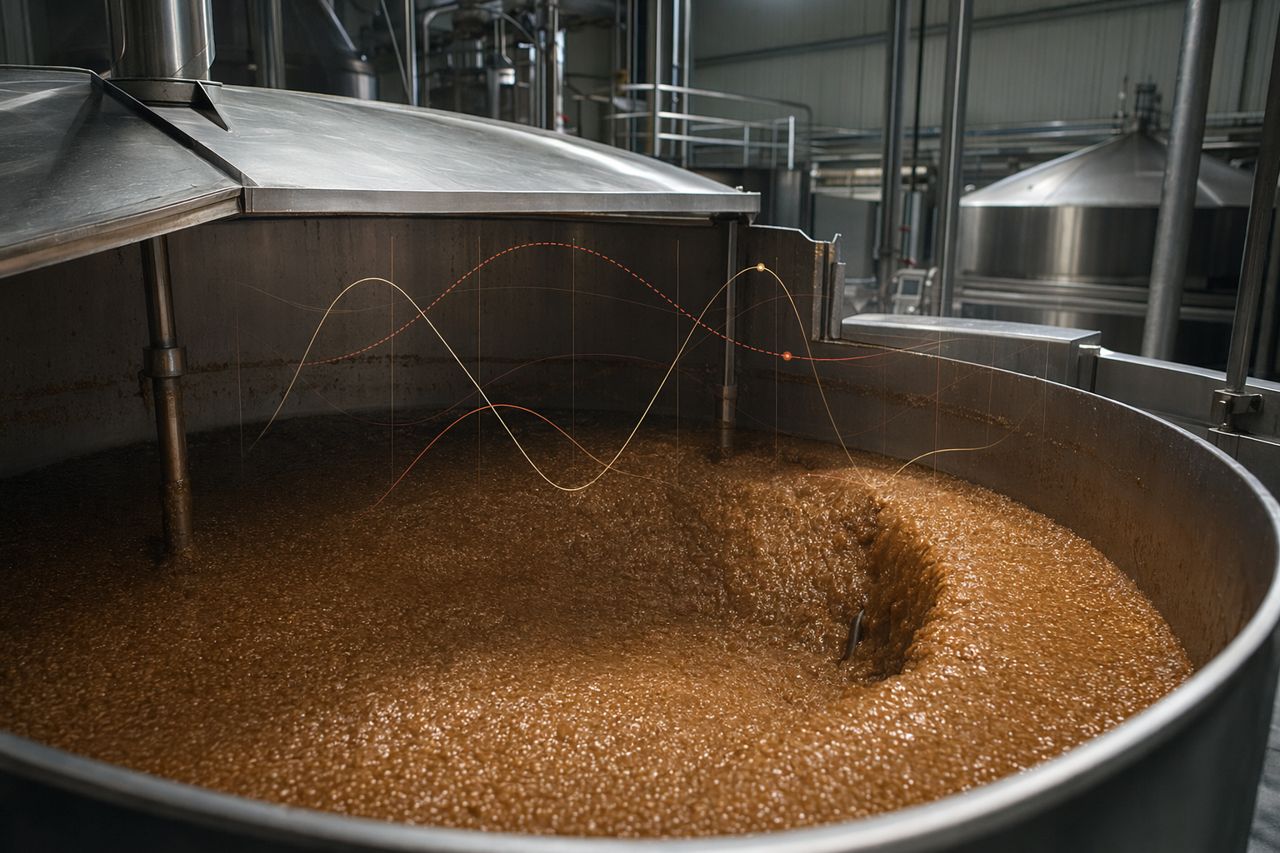
Cellulase is often overlooked until the plant is fighting heavy moromi, slow separation, or inconsistent press yield. By working on plant cell wall structures, cellulase can help improve substrate accessibility and reduce physical resistance in the mash.
For breweries, cellulase value is usually visible in handling and downstream behavior:
- Lower mash resistance during transfer
- Improved contact between enzymes and substrate
- More consistent pressing behavior
- Better clarification tendency
- Reduced variability in solids carryover
- Cleaner filtration planning
Cellulase is not a substitute for good koji or correct fermentation management. It is a process tool for plants that need better physical control of moromi without moving away from traditional quality expectations.
Choosing one enzyme, or building a blend
Some plants need a single enzyme family. Others need a coordinated approach.
A protease-only approach may be appropriate when nitrogen release is the main constraint. An amylase-focused approach may fit plants looking to stabilize yeast performance and aromatic development. Cellulase may be the best starting point when the production team is dealing with heavy mash, poor extraction, or difficult filtration.
In many cases, a balanced protease-amylase-cellulase program creates the most stable outcome. The important point is dosage discipline. More enzyme is not automatically better. The addition point, contact time, salt condition, and temperature window must match the brewery’s process.
How Moromi Pulse supports plant trials
Moromi Pulse helps soy sauce plants move from product comparison to controlled implementation. We focus on the variables that fermentation managers and procurement teams both need to see.
Trial planning
We help define the purpose of the trial before samples move into the plant. Typical goals include improved nitrogen release, shorter fermentation time, better mash flow, more consistent pressing, or reduced batch variation.
Candidate selection
We recommend enzyme candidates by process fit, not catalog assumptions. Protease, amylase, and cellulase options are matched to substrate profile, salt level, temperature range, fermentation style, and finished sauce target.
Evaluation criteria
A useful trial should compare more than one number. We recommend reviewing:
- Sensory profile and umami depth
- Amino nitrogen development
- Mash viscosity and handling
- Fermentation progression
- Press cake behavior
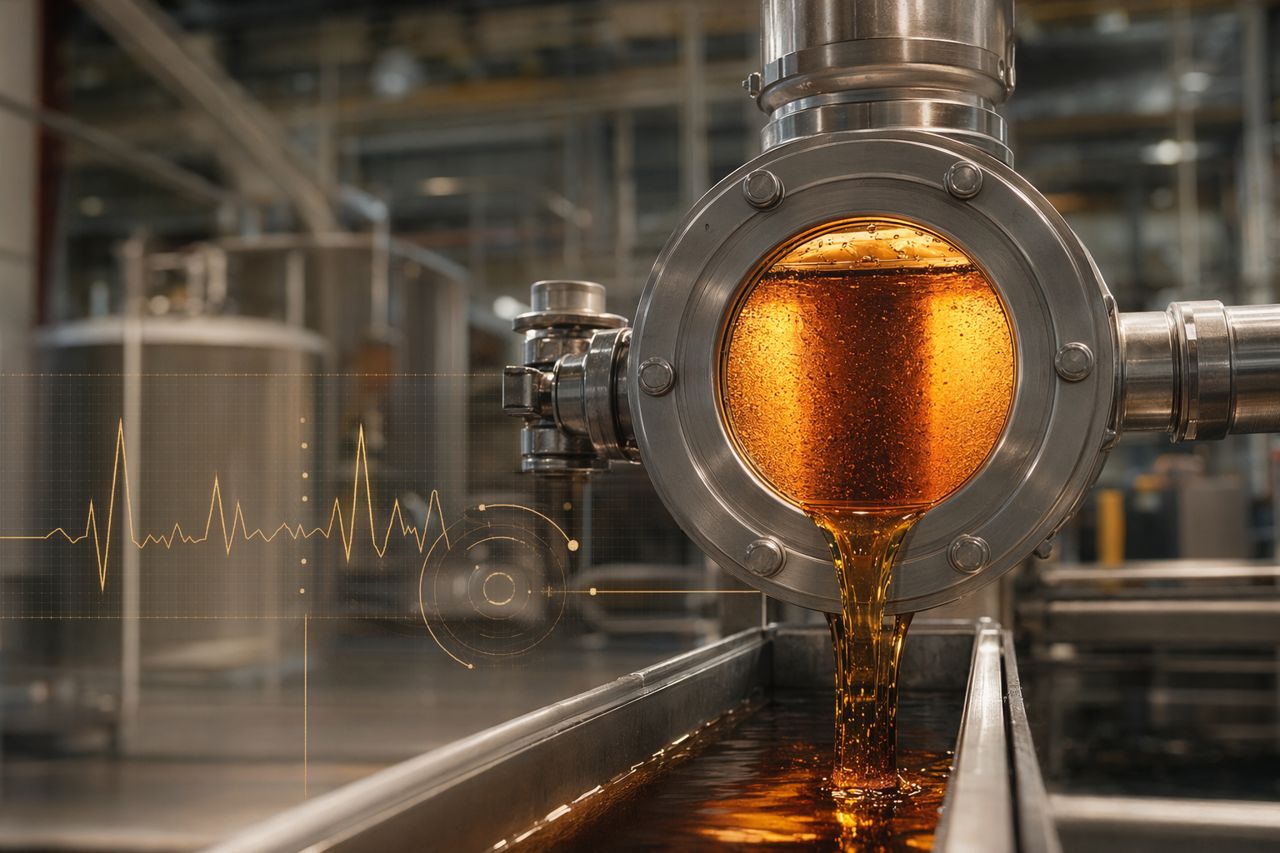
- Filtration clarity and speed
- Batch-to-batch control
- Fit with existing plant procedures
Purchasing alignment
Once a candidate is selected, we support consistent supply expectations, documentation needs, packaging preferences, and quote structure for ongoing production.
Typical brewery situations we support
Moromi Pulse is a fit when a soy sauce plant is facing one or more of these conditions:
- Raw soybean or wheat quality varies by season or supplier
- Koji performance is acceptable but not fully consistent
- Amino nitrogen development is slower than planned
- Moromi viscosity creates transfer or mixing concerns
- Pressing behavior changes between batches
- Filtration is slower than production planning allows
- The plant wants enzyme support without changing traditional sauce identity
- Procurement needs a reliable enzyme supplier for soy sauce fermentation with technical understanding of the process
What to share when requesting a quote
To recommend the right protease, amylase, cellulase, or blend, include the practical details your team already tracks.
Helpful information includes:
- Annual or monthly soy sauce production volume
- Soybean and wheat format
- Approximate koji and moromi process outline
- Salt level and temperature range
- Current pain point: nitrogen release, viscosity, fermentation time, pressing, or filtration
- Target product style
- Preferred packaging format
- Trial quantity or production quantity required
- Destination country and delivery timeline
Watch the 1-minute explainer
This page includes a faceless visual explainer showing how protease, amylase, and cellulase affect soy sauce fermentation outcomes: nitrogen release, sugar conversion, mash access, and filtration behavior.
Request a quote
If your plant is comparing protease, amylase, and cellulase for soy sauce fermentation, Moromi Pulse can help you select the right candidate and quote the supply format that fits your brewery.
Request a quote using the on-site form