Soy Sauce Nitrogen Release Enzyme
For soy sauce breweries, nitrogen release is not only a yield target. It shapes umami depth, aroma precursor development, maturation behavior, and the consistency of the pressed sauce. Moromi Pulse supplies enzyme solutions designed for plants that need practical control over amino nitrogen development without disrupting traditional flavor standards.
As an enzyme supplier for soy sauce fermentation, Moromi Pulse supports fermentation managers, production teams, and technical buyers working with koji-to-moromi variability, seasonal temperature shifts, raw material changes, viscosity concerns, and batch-to-batch maturation targets.
Designed for controlled amino nitrogen development
Soy sauce fermentation depends on the gradual breakdown of soybean and wheat proteins into peptides and amino acids. When protein conversion is uneven, breweries can see slow maturation, inconsistent umami intensity, weak flavor precursor formation, and variable press performance.
Moromi Pulse nitrogen release enzyme solutions are selected to support:
- Consistent amino nitrogen development during moromi maturation
- Better liberation of flavor-building peptides and amino acids
- Improved use of soybean protein potential
- More predictable fermentation progression across batches
- Reduced dependence on corrective blending late in production
- Cleaner process decisions when raw material quality shifts
The goal is not to make soy sauce taste generic or accelerated. The goal is to help the brewery reach its intended profile with stronger process discipline.
Built for soy sauce brewery realities
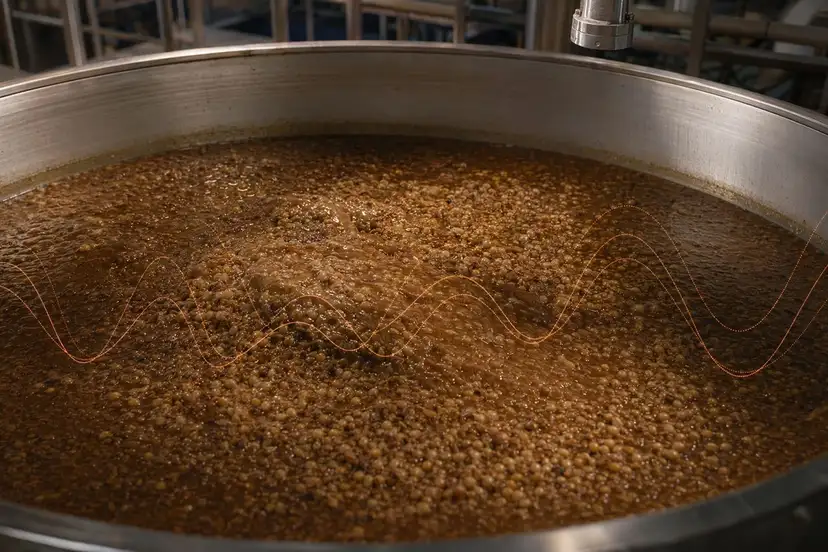
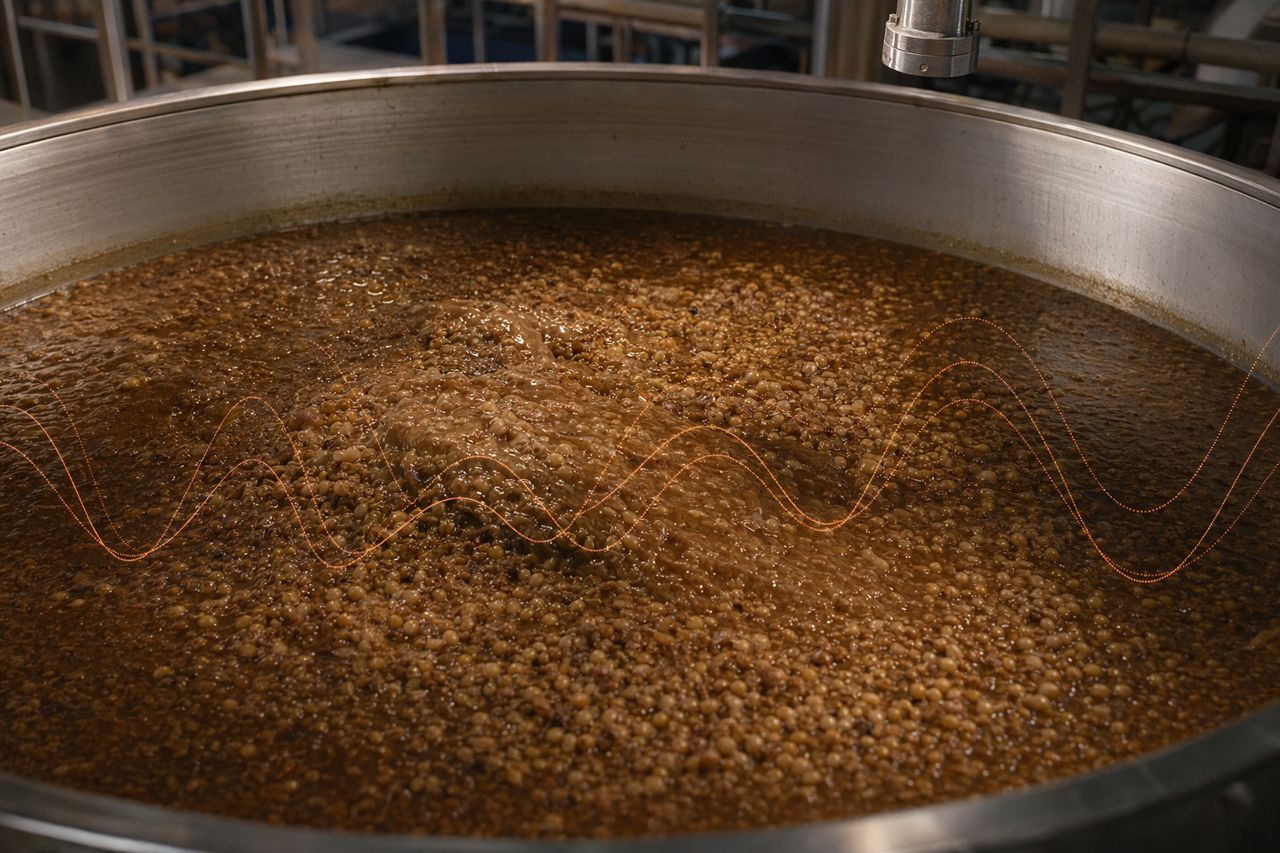
Moromi is a demanding environment: high salt, complex solids, changing temperature, evolving pH, and dense microbial ecology. Enzyme selection for this matrix must be practical, not theoretical.
Moromi Pulse focuses on enzyme behavior that matters on the plant floor:
- Performance in salt-rich fermentation conditions
- Compatibility with koji-driven proteolysis
- Controlled protein breakdown without excessive thinning or harsh flavor drift
- Support for steady maturation rather than abrupt hydrolysis
- Better repeatability across tanks, seasons, and ingredient lots
- Clear guidance for addition point, dispersion, and batch documentation
This approach helps breweries strengthen amino nitrogen release while respecting the sensory identity of naturally brewed soy sauce.
Where the enzyme can add value
Amino nitrogen and umami consistency
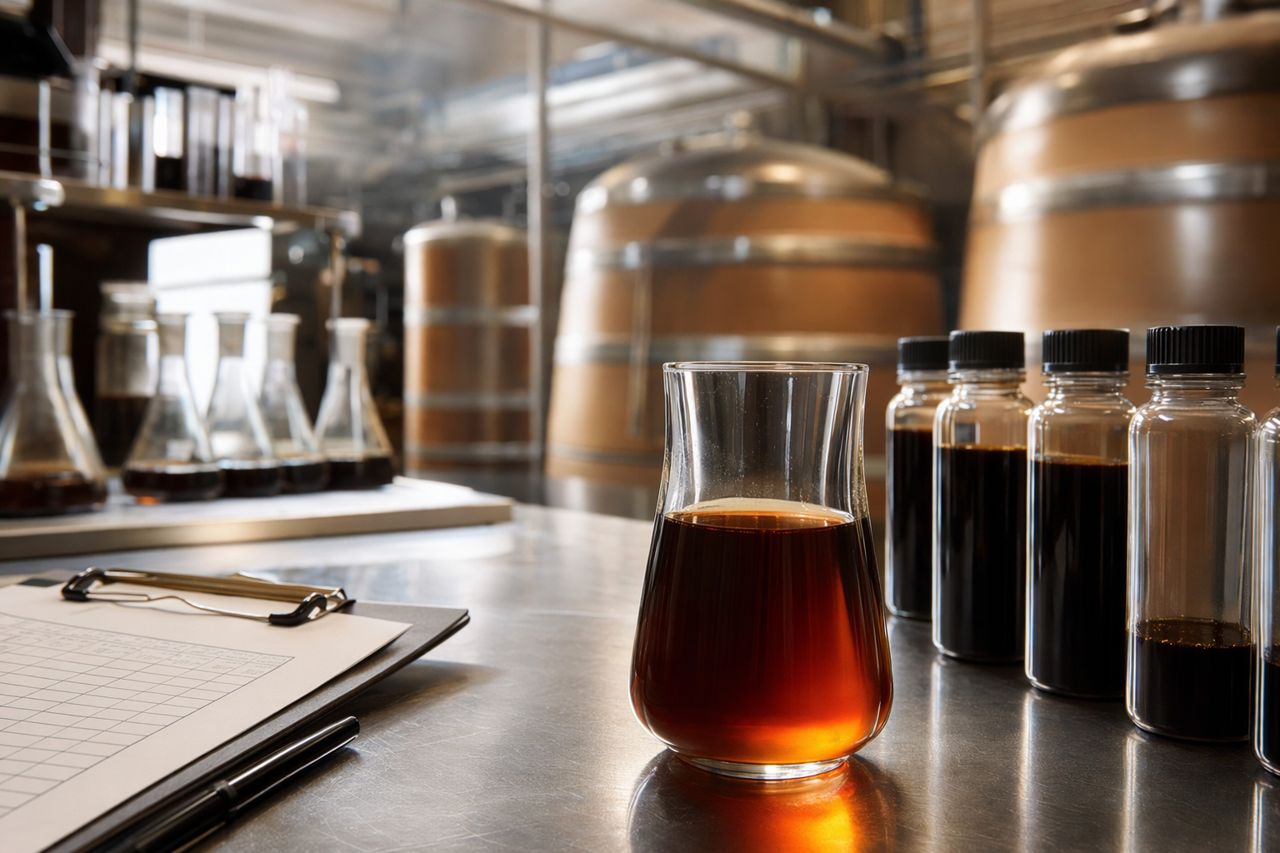
Amino nitrogen is a key marker for fermentation progress and finished sauce quality. When release patterns vary, flavor depth and perceived umami can vary even when the recipe is unchanged.
A targeted nitrogen release enzyme can help stabilize amino acid development so production teams can reduce uncertainty between tanks and improve confidence before pressing.
Flavor precursor formation
Protein breakdown contributes to the pool of compounds that later influence aroma, color, and overall complexity. Controlled peptide and amino acid formation can support a fuller fermentation profile without forcing the process beyond the brewery's quality intent.
Fermentation time management
Some breweries use enzyme support to reduce bottlenecks around slow-developing batches. Others use it to hold the same timeline with better maturation consistency. Moromi Pulse helps define the objective first, then recommends an enzyme strategy that fits the brewery's process window.
Mash viscosity and handling
Protein structure and solids behavior affect moromi movement, mixing load, sampling consistency, and downstream press behavior. Enzyme use must be balanced: enough conversion to support release, not so aggressive that the mash becomes difficult to control. Moromi Pulse prioritizes dosage discipline and process observation.
Pressing and filtration behavior
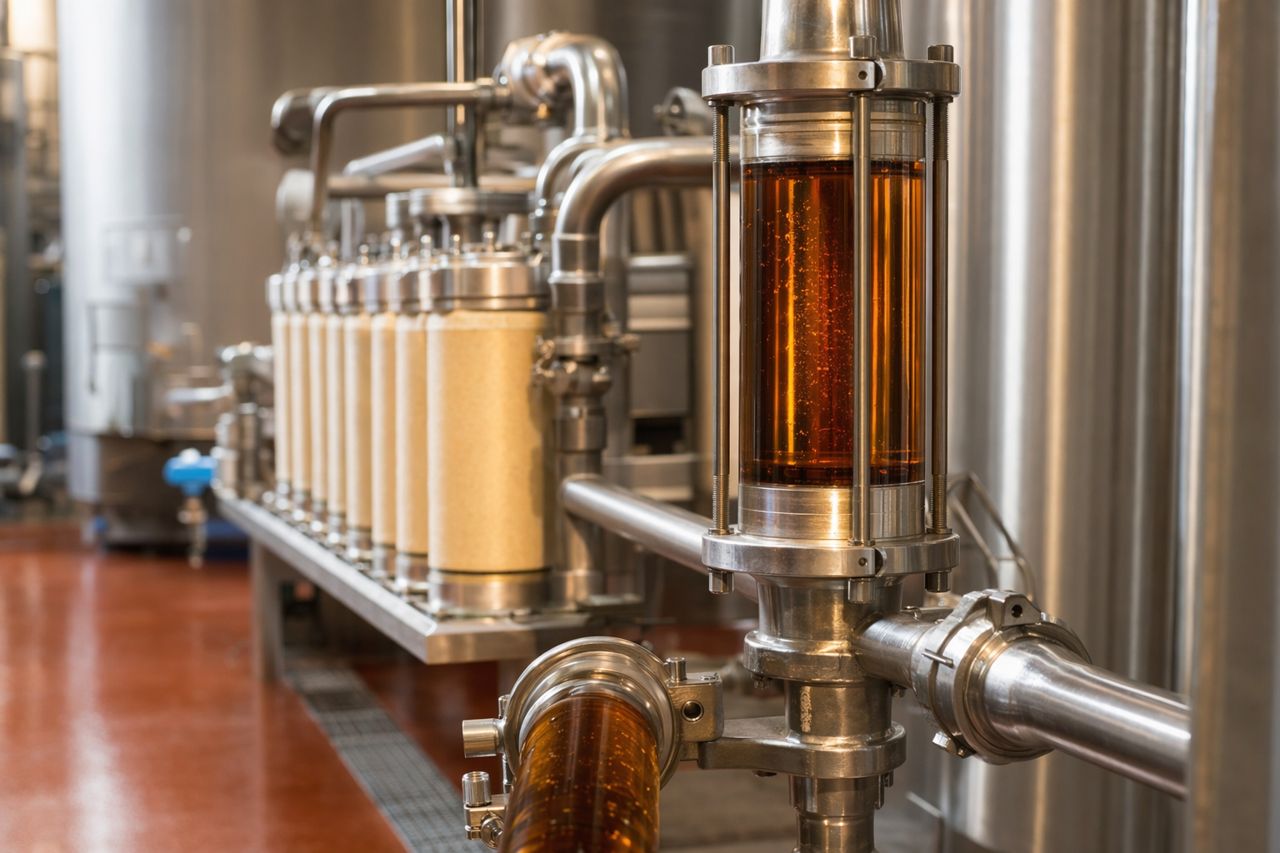
Late-stage moromi condition influences pressing rate, turbidity, sediment behavior, and filtration load. Better protein conversion can support more predictable separation, but the enzyme choice must be aligned with the brewery's solids profile and clarification targets.
Application approach
Moromi Pulse does not recommend enzyme use as a one-size-fits-all correction. We work from your process reality.
Typical review areas include:
- Soybean and wheat preparation method
- Koji condition and proteolytic contribution
- Brine strength and moromi salt profile
- Fermentation temperature range and seasonal variation
- Tank residence time and mixing practice
- Target amino nitrogen range and sensory profile
- Current viscosity, pressing, and filtration observations
- Batch records from strong and weak fermentations
From there, we help identify the enzyme type, addition point, dispersion method, and trial structure that can be evaluated within your brewery controls.
What buyers can expect from Moromi Pulse
Technical product matching
We help match enzyme selection to the brewery's fermentation target, not just to a generic protein hydrolysis claim. This includes considering salt tolerance, protease balance, process temperature, and the desired maturation curve.
Trial support with clear comparison logic
A useful plant trial should compare the right variables: amino nitrogen development, sensory direction, moromi handling, pressing behavior, and finished sauce clarity. Moromi Pulse helps you structure trials that production, QA, and procurement can all interpret.
Practical documentation for production use
Enzyme adoption works best when operators have clear handling guidance. We support defined addition practices, mixing checks, storage expectations, and batch-record language so use remains consistent shift to shift.
Supply reliability for brewing schedules
Soy sauce fermentation runs on long planning cycles. Moromi Pulse supports B2B buyers with quotation clarity, specification review, and supply planning for pilot, scale-up, and recurring production demand.
Suitable for multiple soy sauce production goals
Moromi Pulse nitrogen release enzyme solutions may be evaluated for:
- Naturally brewed soy sauce requiring stronger amino nitrogen consistency
- Premium lines where umami depth and batch continuity are critical
- Plants facing raw material protein variation
- Breweries seeking more predictable maturation timelines
- Operations balancing fermentation yield with traditional sensory standards
- Facilities looking to improve downstream pressing or filtration stability
Why controlled enzyme use matters
More enzyme is not automatically better. Excessive or poorly timed protein breakdown can affect taste balance, solids behavior, and process predictability. A successful program depends on selecting the right enzyme profile, applying it at the right stage, and measuring outcomes against the brewery's finished-sauce standard.
Moromi Pulse brings a calm, technical approach to that decision. We help breweries use enzyme support as a controlled fermentation tool, not as a shortcut.
Request a quote
If your plant is evaluating nitrogen release enzyme support for soy sauce fermentation, send Moromi Pulse your process objective, current fermentation challenge, target outcome, and estimated usage volume.
Request a quote through the on-site contact form and our technical team will respond with a recommended enzyme direction, trial discussion, and commercial quotation.